Built In Since Day One: Why Valley Eats Has Always Protected Couriers From Rising Fuel Costs
Valley Eats Team
May 7, 2026
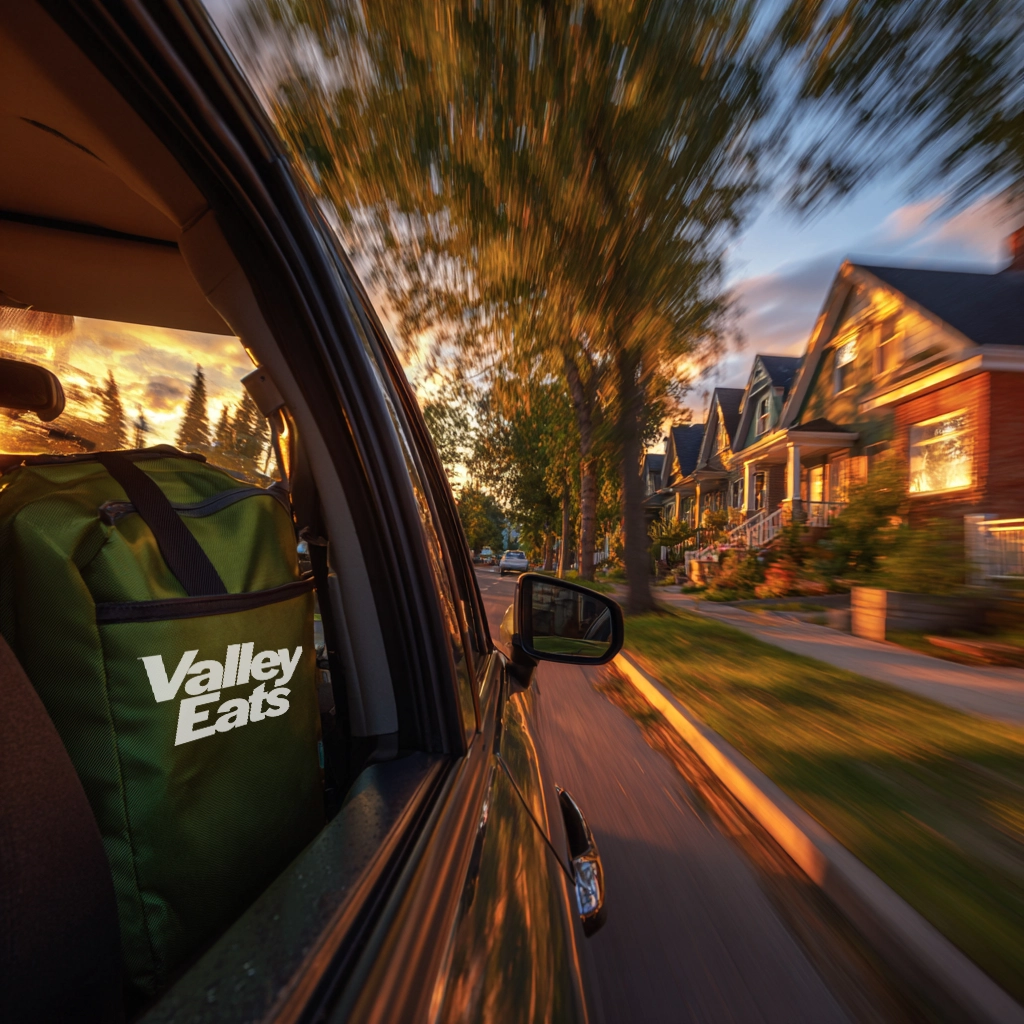
Fuel costs are a real part of delivery work.
For couriers, every shift comes with expenses that are easy to overlook from the outside: gas, mileage, vehicle wear, time between orders, and the realities of getting food from local restaurants to local customers.
In small-town and rural delivery, those realities matter even more.
Routes can be longer. Order density can be lower. A delivery may not be a quick trip around the corner. It may mean travelling across town, down the highway, or between communities to make sure customers are served and restaurant partners stay connected to local demand.
That is why Valley Eats built fuel protection into our courier pay model from the very beginning.
We did not wait for fuel costs to become a headline. We did not wait for couriers to ask for support. We did not treat fuel relief as a short-term campaign.
We made it part of how the platform works.
Valley Eats sets a fuel-cost threshold, and when prices rise above that threshold, courier pay automatically increases per delivery. It is a practical system designed around a simple idea: when the cost of completing deliveries goes up, the people doing the driving should be supported.
And just as importantly, we do not pass that added fuel support onto customers or restaurant partners.
Customers are already managing rising costs in their own households. Local restaurants are already dealing with tight margins, staffing pressures, higher food costs, and the day-to-day challenges of running a business. Supporting couriers should not mean putting more pressure on the same local people and businesses we are here to serve.
That is the difference between building for scale and building for community.
Large third-party platforms often have to make decisions at a national level. Support can become reactive, temporary, or tied to public pressure. In small-town delivery, we see the impact much closer to home.
We know the couriers completing the orders. We know the restaurant owners preparing the food. We hear from the customers placing the orders. We understand that local delivery is not just a transaction. It is part of the local economy.
That closeness changes how you build.
At Valley Eats, we believe local delivery has to work for everyone involved: the customer placing the order, the restaurant preparing it, and the courier completing the delivery.
That belief has shaped our model from day one.
Fuel protection is one example of that commitment. It reflects the kind of delivery platform we are working to build: one that is practical, community-focused, and designed around the realities of the small towns we serve.
Because supporting couriers should not be a reaction.
It should be built in.
And for Valley Eats, it always has been.